






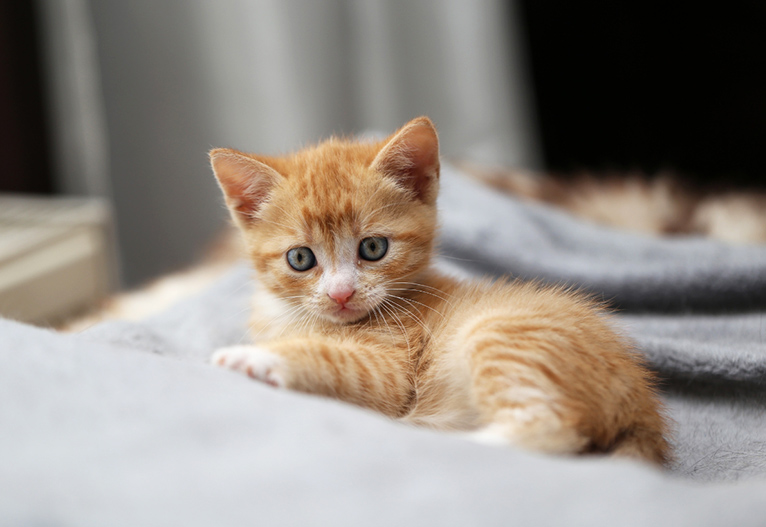


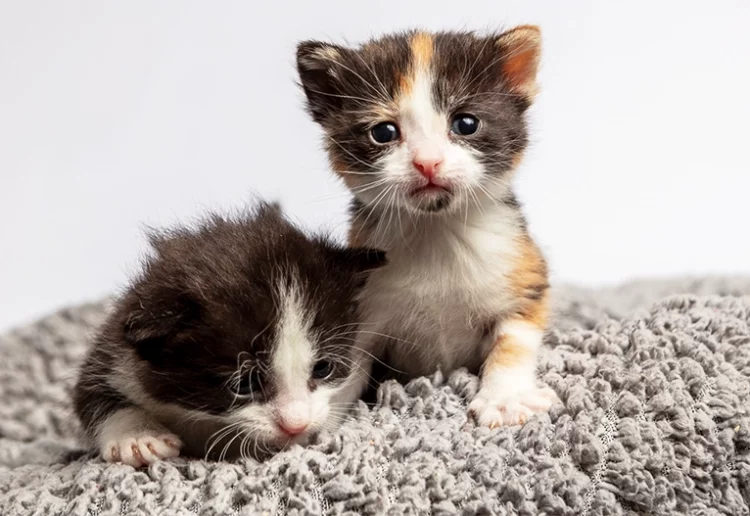
If you’ve been thinking about welcoming a kitten into your home, or if you’ve already brought one home and are wondering how to get it right, the Cat Protection Society of Victoria (CPSV) has some essential tips to help your kitten thrive and fit seamlessly into your household.

With over 15 years in the veterinary industry, Caitlin Corrigan brings a wealth of experience and passion for feline welfare. She has dedicated the past 10 years to the shelter environment, working as a Shelter Manager, Vet Nurse, and now as the Practice Manager of The Cat Protection Society’s Cat-Only; Cat-Friendly Veterinary Clinic.
What you need to know about adopting a kitten
Kittens are tiny bundles of energy, but the love and joy they bring in return are unmatched. Adopting one is a lot like welcoming a child into your home; it requires time, patience and real commitment. In return, you’re rewarded with a lifelong companion.
The most important advice for first-time kitten adopters is to ensure everyone in the household is on board with the responsibility. Kittens aren’t just a temporary addition; they grow up quickly and represent a lifetime commitment.
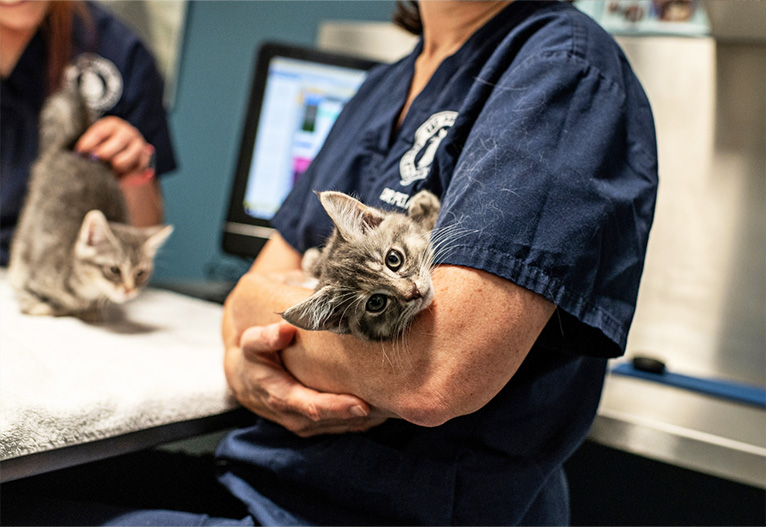
Many kittens arrive at the shelter feeling timid or unsure. CPSV’s foster care program helps them build confidence in a real home environment while gaining the weight needed to be safely desexed.
Foster care also helps staff better understand a kitten’s personality. For example, whether they’re comfortable with children, okay with dogs, or better suited to a quiet adult-only home.
We encourage all potential adopters to spend as much time as possible with a kitten at the shelter before making it official. Coming in to meet them in person (especially when they are out of their “condo” space) gives you a much better sense of their true personality and how they’ll act in a natural home environment. We love it when the whole family comes along; it’s the best way to see how everyone interacts and for us to share important details about the specific support that the kitten might need.
A safe “home base”
Once everyone is on board, preparation is key. Before your kitten arrives, set up a safe, secure “home base”. A laundry or bathroom is ideal, but we recommend any enclosed space with tiled floors, as kittens can be cheeky and the odd toileting accident is common at the start. Make sure this room has:
- A litter tray (ensure they know exactly where it is)
- Fresh food and water
- Plenty of toys and comfortable bedding
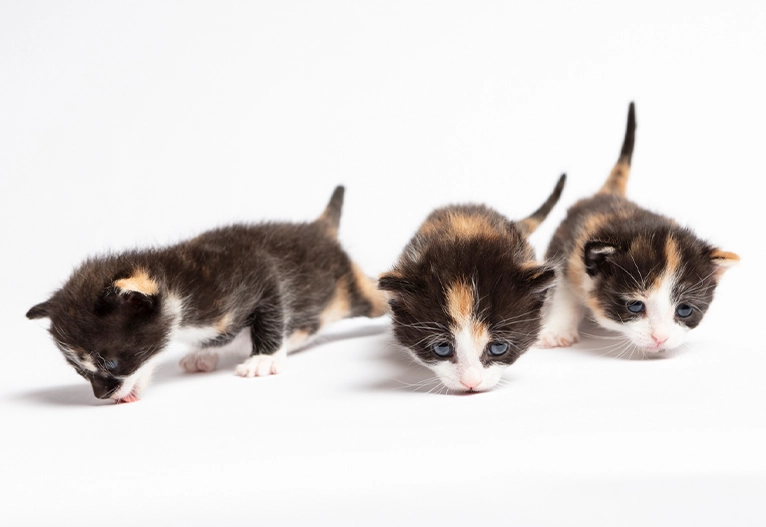
If you have other pets, introductions must be slow. Start with “scent swapping” or letting them sniff each other under a door. Eventually, move to a protective barrier like a baby gate or a mesh screen door so they can see and smell each other without direct physical contact. Be mindful of doors and windows, though! Even though they’re small, kittens are world-class escape artists.
Vet care and vaccinations
Every kitten adopted through CPSV is desexed, microchipped, wormed, flea-treated, and has received at least their first vaccination. Depending on their age when they arrived, they may have had two or three monthly vaccinations. After that, they move to an annual booster schedule.
Following adoption, you’ll need to arrange their next booster (the due date will be clearly noted on their vaccination card). It’s also vital to keep up with regular worming and flea treatments at home.
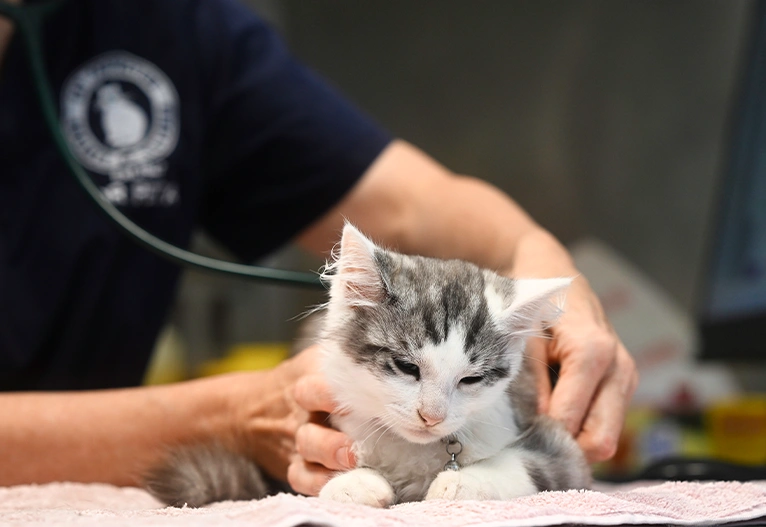
While kittens usually return to the vet between six and 12 months of age for a check-up, keep a close eye on them. Kittens are vulnerable and prone to mischief, so if you notice they seem unwell or have injured themselves during play, book a vet check immediately.
The most common issue we see is a minor infection after a desexing procedure. Watch for swelling, discharge, or bleeding at the surgery site. It usually takes about two weeks to fully recover, so keep them in a quiet, small space during this time and monitor them closely.
The right diet
At the shelter, our cats are fed veterinary-prescribed food with the specific nutrients kittens need. Suddenly switching to supermarket brands, which we often call “cat junk food”, can be very tough on their sensitive stomachs.
We recommend keeping your kitten on their veterinary diet during the initial transition. If you do eventually move them to a different food, ensure it is specifically formulated for kittens (never adult food) and introduce the change very slowly to avoid tummy upsets.
Playtime and training
Kittens have boundless energy! Playtime is essential for their development and prevents “naughty” behaviour caused by boredom.
If a kitten play-bites your hand, immediately swap your hand for a toy. Let them go at their own speed. Forcing them into new situations can create negative associations. To save your furniture, provide a variety of scratching posts for the kitten to claw at.
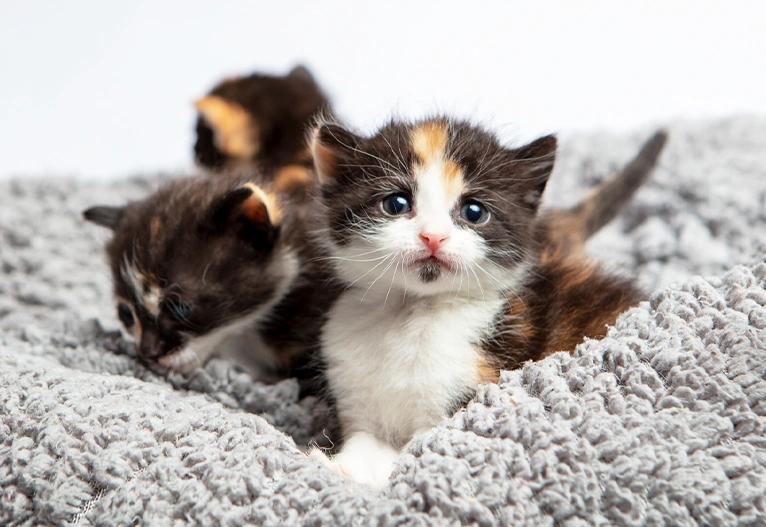
When it comes to litter training, remember that it can often be a process of trial and error; some kittens naturally prefer using separate trays for urinating and defecating, so providing multiple options can help prevent accidents.
Remember, kittens are still learning. With a quiet space, clear boundaries and plenty of positive reinforcement (like treats and play), they’ll quickly grow into confident, loving companions and become the heart of your home.
Have you ever adopted a kitten? Leave us a comment below!
Post a comment
To post a review/comment please join us or login so we can allocate your points.